No Soil Needed
Hydroponics is a soilless cultivation method that relies on nutrient-rich water solutions to deliver essential minerals directly to plants’ roots.
Water Base
Hydroponics is a water-based cultivation technique where plants grow in a nutrient-rich solution instead of soil.
3-4X Faster
Hydroponic systems use less water and chemicals, allowing plants to grow 30%-50% faster than soil-based systems.
30% More Yield
Hydroponics offers impressive yields due to its ability to provide plants with an ideal growing environment and precise nutrient delivery.
Transform Your
Home into a Green
Haven.
Embark on your hydroponic journey and seamlessly transform your environment into a verdant sanctuary.
WHY CHOOSE US
It's excellent for the environment, and it's also good for your health
Hydroponics offers several benefits, including efficient water usage, faster plant growth and precise nutrient control. It allows for year-round cultivation, reduces the need for pesticides, and maximizes limited space, making it a sustainable and productive option for growing plants. Additionally hydroponic systems often yield more quality and more nutritious produce compared to traditional soil-based farming.
Water Efficiency
Hydroponic systems use up to 90% less water compare to soil-based farming. This is a significant advantage in regions where water is scarce or expensive, promoting efficient resource utilization.
Precise Nutrient Control
Hydroponic systems provide precise control over the nutrients plants receive. This tailored nutrient management allows for better growth and can result in healthier, more nutrient-dense crops, meeting specific dietary needs.
Space Optimization and Flexibility
Hydroponics enables vertical farming and other space-saving techniques, making it suitable for urban environments or areas with limited arable land. This versatility allows for year-round cultivation and maximizes agricultural output in smaller spaces.
Pest and Disease Control
Without soil, many common pests and diseases associated with tradition soil-based farming are less of a concern in hydroponics. This often translates to reduced or even eliminated pesticide usage, promoting healthier, chemical-free produce.
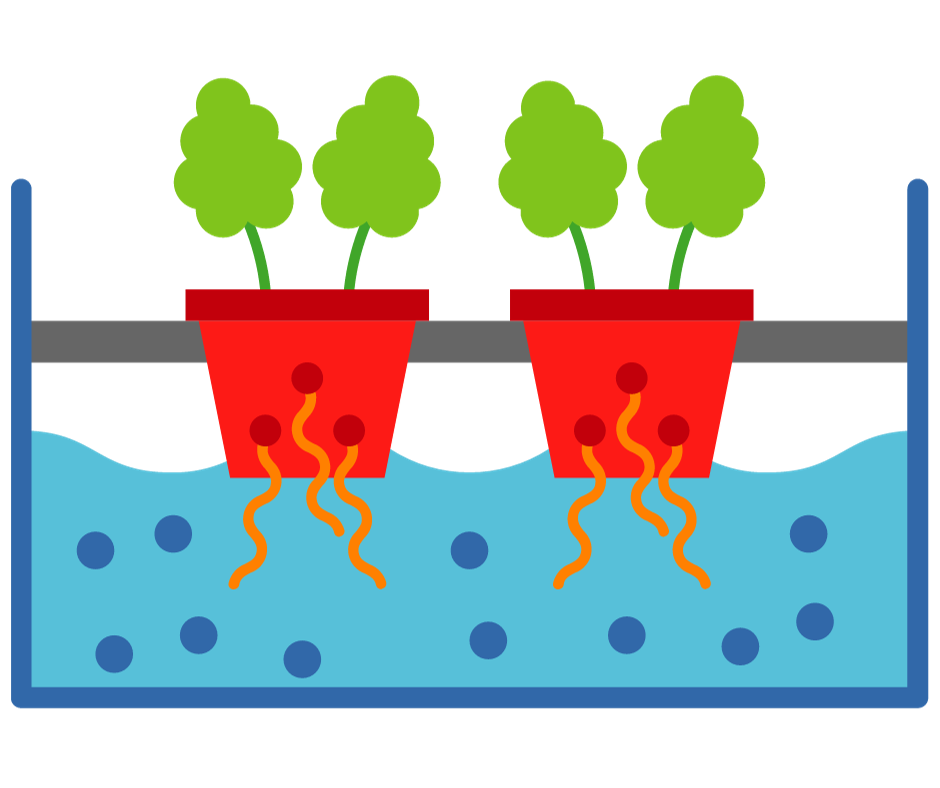
Deep Water Cultivation
Plants are suspended in a nutrient solution and their roots are submerged in oxygenated water. The air bubbles help circulate the nutrient solution, ensuring an even distribution of nutrients to the roots.
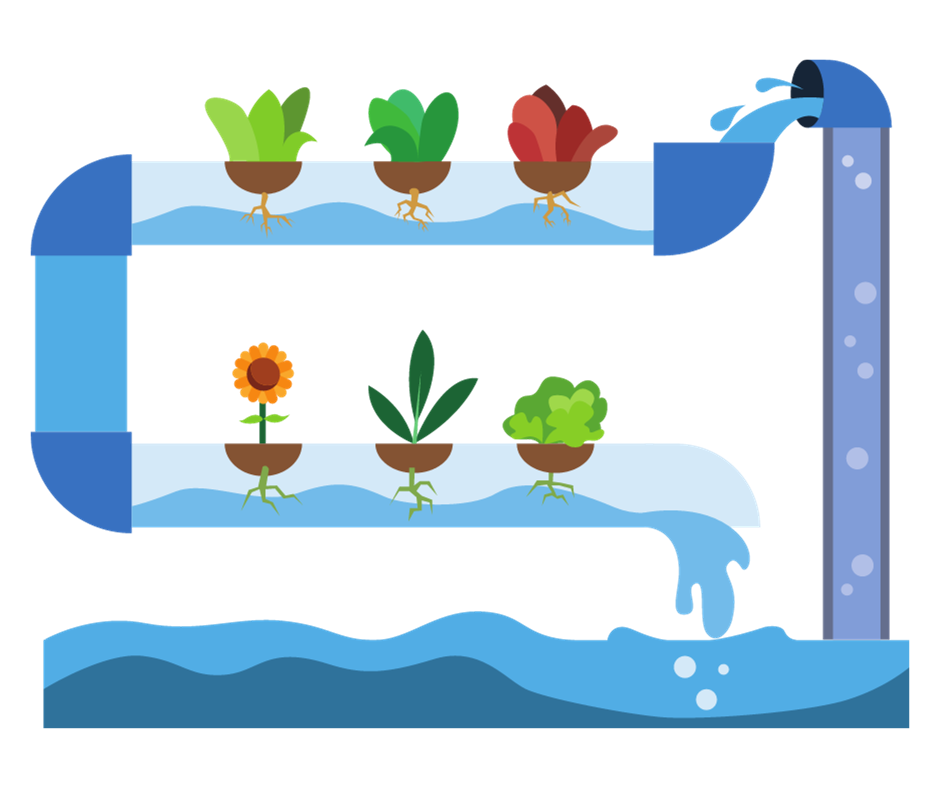
Flood and Drain
Also known as the Ebb and Flow system, periodically floods the plant roots with a nutrient solution and then allows it to drain back into a reservoir, creating a cyclical wet-dry cycle.
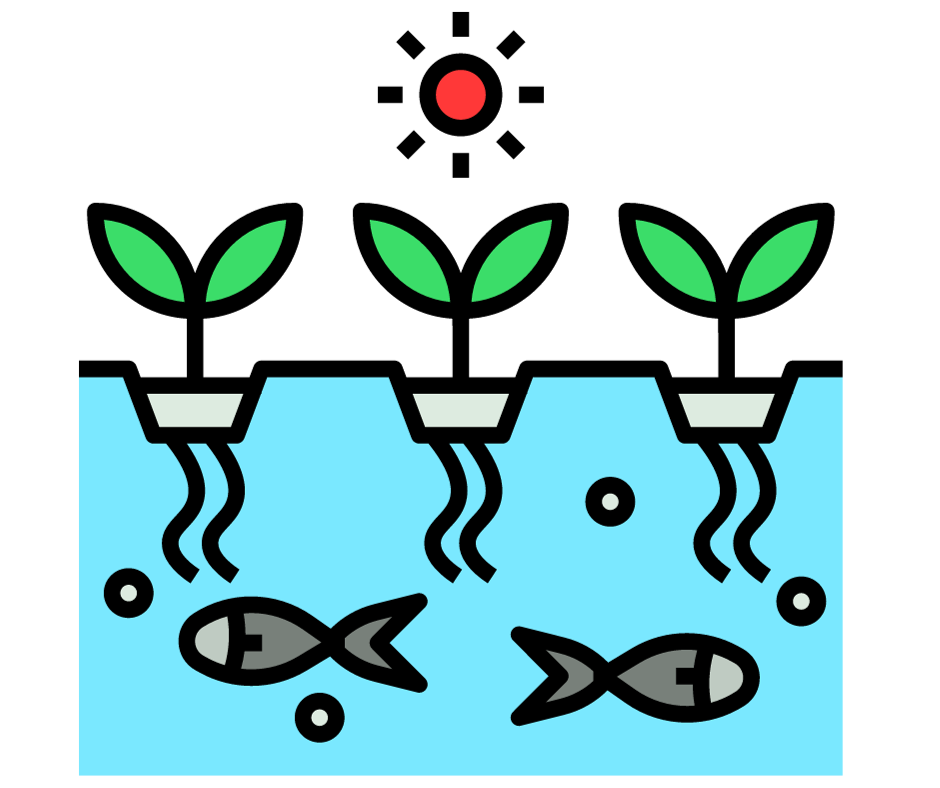
Aquaponics
Aquaponics is a sustainable agricultural system that combines aquaculture (raising fish) and hydroponics (cultivating plants in water). It creates a symbiotic ecosystem where fish waste provides an organic nutrient source for plants and the plants help filter and clean the water, which is the recirculated back into the fish tanks.

Hydro Towers
A hydro tower, also known as a vertical hydroponic tower or vertical farming tower, is a vertical structure designed for growing plants in a compact, space-efficient manner using hydroponic techniques.
Most Popular Questions
Hydroponics is a method of growing plants without using traditional soil as a medium. Instead, plants are cultivated in a nutrient-rich water solution that provides all the essential minerals and nutrients needed for their growth.
Hydroponics offers several advantages over traditional soil-based gardening, making it a attractive option for modern agriculture. Here are some key benefits of using hydroponics:
- Water Efficiency
- Faster growth and higher yields
- Precise Nutrient Control
- Space Optimization
- Reduce Environmental Impact
- Year-round cultivation
- Optimized pH and Nutrient Levels
A diverse range of plants can be grown hydroponically, making it a versatile method of cultivation. Here are some categories of plants commonly grown hydroponically:
- Leafy Greens
- Herbs
- Fruiting Vegetables
- Microgreens and Sprouts
- Root Vegetables
- Berries
- Edible Flowers
- Culinary Greens
- Aromatic Plants
A Hydroponic system consists of several essential components that work together to create an optimal environment for plant growth without soil. These components facilitate nutrient delivery, water circulation, lighting and environmental control. Here are the key components of a hydroponic system:
- Growing Trays or Beds
- Growing Medium
- Nutrient Solution Reservoir
- Nutrient Delivery System
- Pump
- Grow Lights
- Timer
- Control System
- Support Structure
- pH and EC/PPM Meters
- Air Stones or Diffusers
Selecting the right hydroponic system involves considering several factors related to your goals, available space, budget and the types of planst you want to grow.
Deep Water Cultivation is considered one of the most popular hydroponic systems due to its simplicity, effectiveness and ability to yield healthy and rapid plant growth. Here’s why DWC stands out among hydroponic systems:
- Simplicity and Ease of Setup
- Direct Nutrient Uptake
- Optimal Oxygenation
- Consistent Nutrient Supply
- Reduced Water Usage
- Versatility in Crop Types
- Cost-Effective
- Rapid Growth and High Yields
Maintaining nutrient rich levels and pH in a hydroponic system is a crucial to ensure healthy plant growth and optimal nutrient uptake. Here’s a step-by-step guide on how to manage nutrient levels and pH effectively:
- Regular Testing
- Adjusting Nutrient Strength
- Monitoring Plant Health
- Regular pH Testing
- Adjusting pH
- Recommended pH Ranges
- Maintain pH Stability
- Check pH in Reservoir
Yes, hydroponically grown produce can be as nutritious, if not more so, compared to traditionally grown produce. The nutritional content of fruits and vegetables is primarily influenced by factors such as genetics, growing conditions, nutrient availability and ripeness at harvest, rather than the cultivation method itself.
While hydroponics offers numerous advantages, it also presents certain challenges that growers may encounter. Understanding and effectively addressing these challenges is crucial for successful hydroponic gardening. Here are some common challenges:
- Nutrient Imbalances
- pH Fluctuations
- Temperature Control
- Humidity Management
- Algae Growth
- Root Rot
- Equipment Failure
- Cost Learning
- Learning Curve
Yes, hydroponics can be done on a small scale or at home and it’s increasingly popular among hobbyists and home gardeners. In fact, hydroponic systems are highly adaptable to fit various spaces, making them ideal for home gardening.
Yes, hydroponic gardening is considered eco-friendly and sustainable for several reasons:
- Water Efficiency
- Reduced Environmental Impact
- No Chemical Runoff
- Optimized Nutrient Usage
- Space Efficiency and Land Conservation
- Year-Round Production
- Local and Urban Agriculture
- Faster Growth and Higher Yields
- Potential for Renewable Energy Integration
Yes, you can use organic nutrients in hydroponic systems and this approach is often referred to as ‘organic hydroponics’ or ‘organics in hydroponics’. Organic nutrients are derived from natural sources and processed without synthetic chemicals, pesticides or herbicides. They provide essential nutrients to plants in a form that aligns with organic farming principles.